

Taper fade design has taken the world of men’s grooming by storm, offering a sleek, versatile look that’s both modern and classic. If you’re looking to refresh your style, this haircut technique blends seamlessly from longer hair on top to shorter sides, creating a gradient that’s as sharp as it is stylish. Hey, who wouldn’t want a hairstyle that turns heads and boosts confidence? In this comprehensive article, we’ll dive deep into everything you need to know about taper fade design, from its origins to maintenance tips, ensuring you walk away feeling empowered to try it out yourself.
As an expert in hairstyling trends with years of experience analyzing and recommending cuts that suit various lifestyles, I can tell you that taper fade design isn’t just a passing fad—it’s a reliable choice that adapts to your personal flair. Whether you’re a busy professional or a creative soul, this design promises a polished appearance without much fuss. Let’s explore how this haircut can elevate your everyday look, shall we?
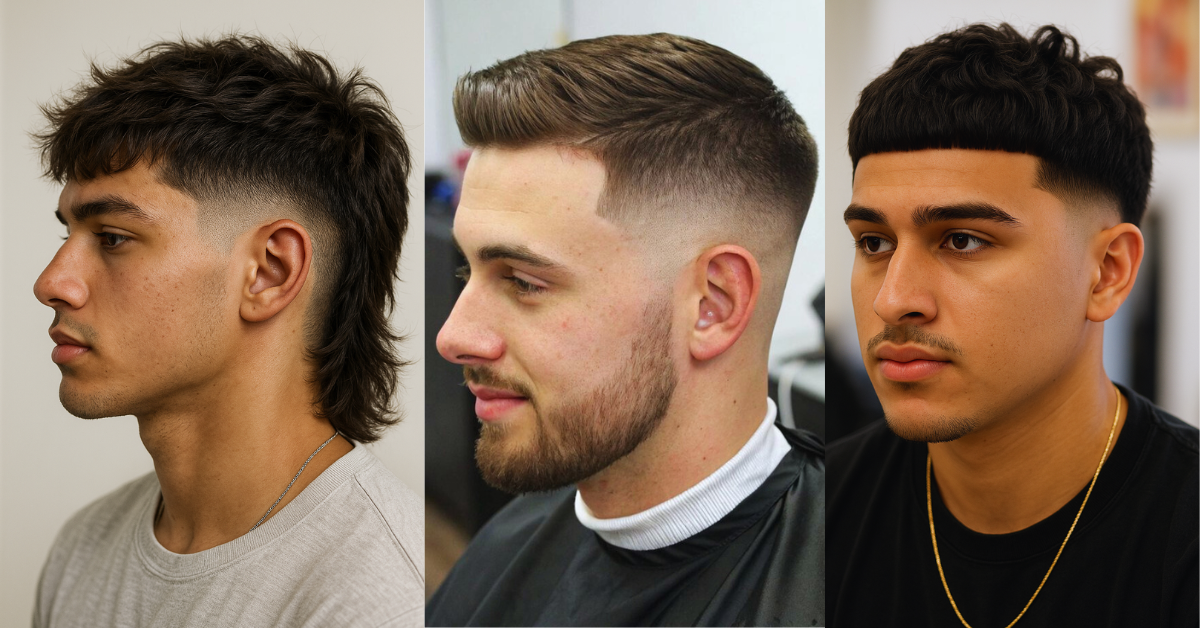
30 Taper Fade Haircuts for Men Trending 2025
Understanding the Basics of Taper Fade Design
At its core, taper fade design involves gradually shortening the hair from the top of the head down to the neckline and sides, fading into the skin for a clean finish. Unlike a simple buzz cut, this method adds dimension and artistry, often incorporating patterns or lines for that extra wow factor. Picture it: your hair starts full and textured up top, then smoothly transitions to bare skin—it’s like a work of art on your scalp!
What sets taper fade design apart is its flexibility. You can go for a low fade that starts just above the ears for a subtle effect, or a high fade that begins higher up for more drama. And don’t get me started on the designs—think geometric shapes, zigzags, or even personalized motifs shaved in. This isn’t your grandpa’s haircut; it’s evolved into something that screams individuality. Plus, it’s optimistic news for anyone with thinning hair, as the fade can create an illusion of thickness where it matters most.
Transitional phrases aside, let’s break it down further. The “taper” refers to the gradual length reduction, while the “fade” is that seamless blend into nothingness. Combined with designs, it becomes a canvas for creativity. If you’ve ever felt stuck in a rut with your hair, embracing taper fade design could be the fresh start you’ve been craving.
The Evolution and History Behind Taper Fade Design
Taper fade design didn’t just appear out of thin air—it’s got roots that stretch back decades. Originating in the military during the mid-20th century, where practicality met precision, soldiers needed cuts that were easy to maintain yet looked sharp. Fast forward to the 1980s and 90s, and hip-hop culture catapulted it into the mainstream, with artists like Will Smith rocking variations that added flair.
In recent years, taper fade design has exploded in popularity, thanks to social media influencers and barbers showcasing intricate patterns. By the 2020s, it’s become a staple in barbershops worldwide, evolving with technology like electric clippers that allow for finer details. Oh boy, the possibilities are endless now! From cultural icons in Africa and Latin America incorporating tribal motifs to European trends blending it with pompadours, this style has truly gone global.
As an authority on hair history, I can assure you that understanding its past helps appreciate its present. It’s not just a cut; it’s a statement of resilience and adaptation. Who knows what innovations await in the future? With taper fade design, the sky’s the limit, fostering a sense of optimism for endless personalization.
Different Types of Taper Fade Design to Suit Every Style
Variety is the spice of life, and taper fade design offers plenty of options to match your vibe. Let’s categorize them to make it easier to choose.
- Low Taper Fade Design: Starts low near the ears and neck, perfect for a conservative look. Add subtle lines for a touch of edge without going overboard.
- Mid Taper Fade Design: Balances between subtle and bold, fading around the temple area. Ideal for incorporating V-shaped designs or stars for that pop.
- High Taper Fade Design: Dramatic and eye-catching, beginning high on the sides. Pair it with lightning bolts or abstract patterns to really stand out.
- Burst Taper Fade Design: Radiates outward like a sunburst, often around the ears. Great for curly hair, enhancing natural texture with curved designs.
- Drop Taper Fade Design: Drops lower behind the ears, creating a unique silhouette. Customize with geometric shapes for a modern twist.
Each type can be tweaked with designs like hair tattoos—think arrows, waves, or even initials. If you’re adventurous, why not experiment? This diversity ensures taper fade design remains inclusive and exciting for all.
How to Achieve the Perfect Taper Fade Design at the Barber
Getting a taper fade design right requires skill, but don’t worry—armed with knowledge, you’ll guide your barber like a pro. First off, communicate clearly: bring reference photos and describe the fade level and any designs you fancy. A good barber will assess your head shape, hair type, and lifestyle before starting.
The process kicks off with washing and sectioning the hair. Then, using clippers with guards, they taper the lengths gradually. For the fade, it’s all about blending with different guard sizes—starting longer and going shorter. Designs come last, etched in with a trimmer for precision. Whew, it’s meticulous, but the results are worth it!
Pro tip: Opt for a barber experienced in fades; their expertise makes all the difference. And hey, if it’s your first time, start simple to build confidence. With taper fade design, you’re investing in a look that grows out gracefully, keeping you optimistic about your style journey.
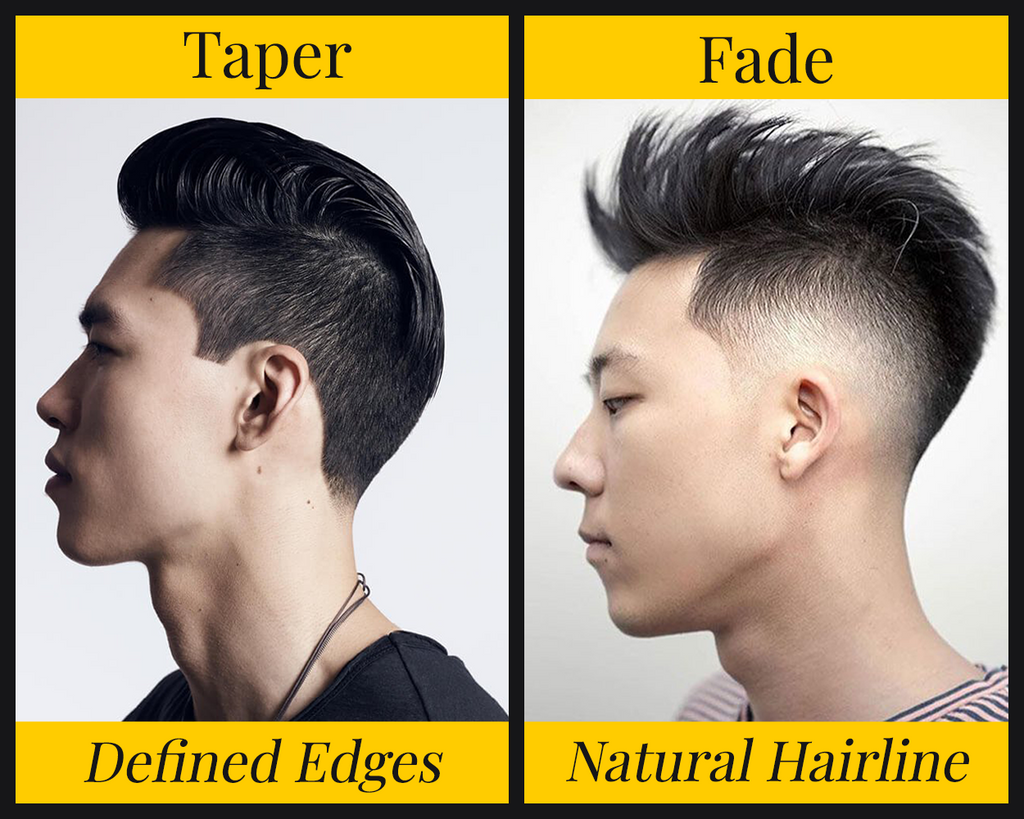
Mastering Taper Fade Haircuts For Men: A Guide In Men’s Hairstyling
Maintenance Tips to Keep Your Taper Fade Design Looking Fresh
Once you’ve got that taper fade design, keeping it sharp is key to maintaining its appeal. Regular touch-ups every two to three weeks prevent it from looking unkempt—fades grow out fast, you know. At home, wash with a gentle shampoo to avoid stripping natural oils, and condition the top for volume.
- Use a soft-bristle brush to style the top daily, adding pomade or wax for hold.
- Protect from sun damage with hats or UV sprays, especially if designs involve exposed skin.
- Moisturize the scalp to prevent dryness; a light oil does wonders.
- Avoid harsh chemicals; natural products keep the fade vibrant.
- Schedule professional clean-ups to refine designs as hair grows.
By following these, your taper fade design stays on point, boosting your self-assurance. It’s all about consistency, turning maintenance into a rewarding routine.
Taper Fade Design for Various Hair Types and Textures
Not all hair is created equal, but taper fade design adapts beautifully. For straight hair, it creates clean lines and easy styling. Curly folks benefit from enhanced coils on top contrasting the smooth fade—add spiral designs for fun.
Wavy hair thrives with mid-fades, allowing natural waves to shine while designs add structure. Even thin hair looks fuller with strategic tapering, illusions at play. Thick hair? A high fade tames volume, with bold patterns cutting through density.
Regardless of texture, consult a stylist who understands your hair’s quirks. This inclusivity makes taper fade design a go-to, promoting optimism that great style is accessible to everyone.
Popular Celebrities Rocking Taper Fade Design
Celebrities often set trends, and taper fade design is no exception. Take Drake, whose low taper with subtle lines exudes cool confidence. Or Travis Scott, blending high fades with intricate patterns that match his edgy persona.
Athletes like LeBron James sport mid-taper designs for a professional yet athletic vibe. Even actors such as Michael B. Jordan incorporate burst fades, proving versatility. These stars show how taper fade design elevates any look, inspiring fans worldwide.
Drawing from their examples, you can see the authority this style holds in pop culture—it’s timeless and adaptable.
Pros and Cons of Choosing Taper Fade Design
Like any hairstyle, taper fade design has its ups and downs, but the positives often outweigh the negatives.
Pros:
- Versatile for all occasions, from casual to formal.
- Low maintenance once set, with quick styling.
- Enhances facial features, framing the face nicely.
- Allows creativity through endless designs.
- Grows out evenly, avoiding awkward phases.
Cons:
- Requires frequent barbershop visits.
- Not ideal for very long hair preferences.
- Designs may fade quickly if not maintained.
- Can expose scalp issues if not done right.
Overall, the benefits foster an optimistic outlook—it’s a worthwhile choice for most.
Here’s a quick comparison table:
| Aspect | Low Taper Fade Design | High Taper Fade Design | Burst Taper Fade Design |
|---|---|---|---|
| Drama Level | Subtle | High | Medium |
| Maintenance | Low | Medium | High |
| Best For | Professional looks | Bold statements | Curly textures |
| Design Options | Basic lines | Complex patterns | Radial motifs |
This table highlights how to pick based on needs.
Styling Ideas to Elevate Your Taper Fade Design
Get creative with styling your taper fade design! For a slick back, use gel on top for a polished finish. Textured crops work wonders with sea salt spray, adding volume.
Pair with beards for contrast— a faded beard blends seamlessly. Accessories like hats complement without hiding the fade. For events, highlight designs with temporary color sprays.
These ideas keep things fresh, ensuring your taper fade design remains a source of joy and expression.
Common Mistakes to Avoid with Taper Fade Design
Even pros slip up, but avoiding pitfalls ensures success. Don’t skip consultations; mismatched expectations lead to regrets. Overdoing designs can look cluttered—keep it simple.
Ignoring hair growth patterns causes uneven fades. Using wrong products dulls the look; choose wisely. Lastly, neglecting aftercare lets it grow out sloppily.
By steering clear, you’ll enjoy a flawless taper fade design experience.
FAQs
What is the difference between a taper and a fade in taper fade design?
A taper gradually shortens hair, while a fade blends to skin level. Together, they create the signature look.
How long does a taper fade design last?
Typically two to four weeks, depending on hair growth and maintenance.
Can women rock taper fade design?
Absolutely! It’s unisex, with many opting for undercut variations.
Is taper fade design suitable for all face shapes?
Yes, but adjustments like fade height can optimize for round, oval, or square faces.
How much does a taper fade design cost?
Varies by location, but expect $20-50 for a basic one, more for intricate designs.
Fazit
In wrapping up, taper fade design stands as a beacon of style innovation, blending tradition with modern creativity. Whether you’re drawn to its clean lines or bold patterns, this haircut empowers you to express yourself confidently. As we’ve explored, from history to maintenance, it’s a versatile choice that’s here to stay. So, why not give taper fade design a shot? Your next great look awaits, promising endless possibilities and a brighter, more stylish you.


