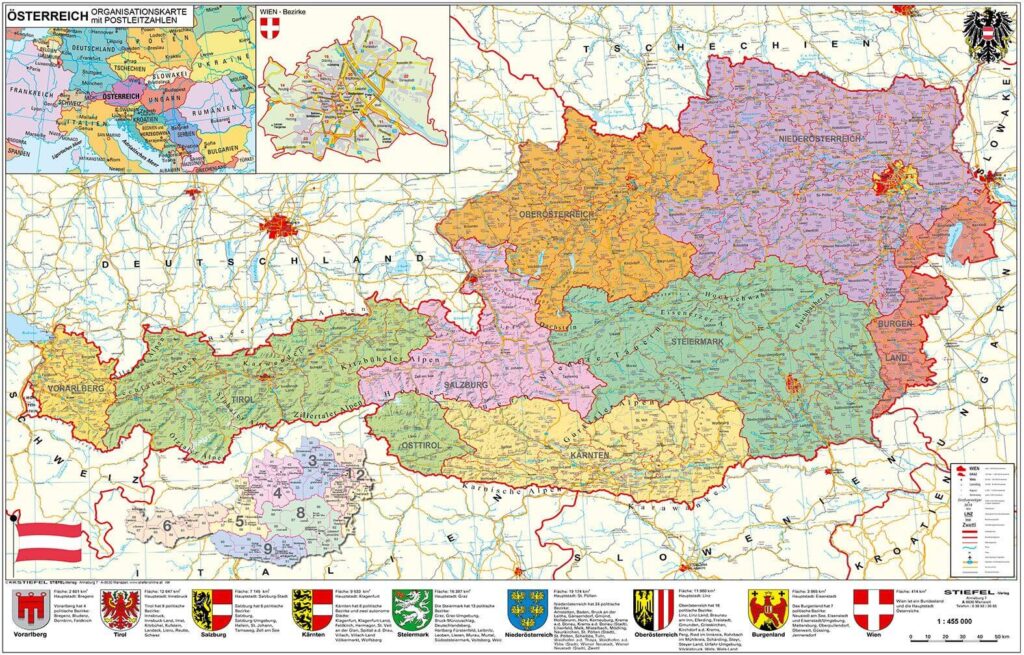

When you think about österreich bundesländer, it’s hard not to get excited about the rich mosaic that makes up modern Austria. These nine federal states, or bundesländer as they’re known in German, form the backbone of a country that’s as diverse as it is united. From the snow-capped Alps to the rolling vineyards along the Danube, österreich bundesländer offer something for everyone, blending history, culture, and natural beauty in ways that inspire optimism and adventure. In this article, we’ll dive deep into what makes each of these states tick, showcasing their unique contributions to Austria’s overall success. Whether you’re planning a trip or just curious about this Central European gem, understanding österreich bundesländer opens up a world of possibilities.
Austria, nestled in the heart of Europe, has always punched above its weight, and its federal structure is a big reason why. The österreich bundesländer system allows for local governance that feels personal and effective, fostering innovation and preserving traditions. It’s like having nine close-knit families under one roof, each bringing their own flavor to the table. As we explore further, you’ll see how this setup not only maintains harmony but also drives progress across the nation.
Historical Roots of Österreich Bundesländer
Delving into the past, the österreich bundesländer have stories that could fill volumes. Emerging from the ashes of the Austria-Hungary Empire after World War I, these states drew from ancient duchies and crown lands. Burgenland, for instance, was pieced together from Hungarian territories ceded through treaties like Trianon and Saint-Germain-en-Laye, marking a fresh start for German-speaking communities. It’s fascinating how these borders, largely unchanged since 1918, reflect a resilient spirit that’s carried Austria through turbulent times.
Moreover, the federal principle enshrined in the 1920 constitution was a clever compromise between centralists and autonomists, ensuring that power isn’t hoarded in Vienna but shared wisely. This setup has proven its worth over decades, from post-World War II reconstruction to joining the European Union in 1995. Today, it stands as a beacon of stability, where states handle local matters like nature protection and youth welfare, while the federal government tackles bigger issues. What a smart way to keep things balanced, don’t you think? As we look back, the history of österreich bundesländer reminds us that from division comes strength, paving the way for a brighter future.
Interestingly, during the 1930s, Austria briefly became a one-party state under the “Ständestaat,” but that era ended with the Anschluss in 1938. Yet, bouncing back with neutrality in 1955, the country turned challenges into opportunities. Each bundesland has its own tale of evolution, contributing to a narrative that’s optimistic at its core. In the end, understanding this history helps appreciate how österreich bundesländer continue to thrive.
Geographical Wonders Across Österreich Bundesländer
Ah, the landscapes of österreich bundesländer – they’re nothing short of breathtaking. Spanning from the majestic Alps in the west to the fertile Danube valleys in the east, these states showcase nature’s finest handiwork. Tyrol and Vorarlberg, with their alpine heights, offer skiing paradise in winter and hiking bliss in summer, drawing folks from all over who can’t get enough of that fresh mountain air.
Transitioning eastward, states like Lower Austria and Burgenland boast arable lands perfect for vineyards and farms, producing world-class wines that put a smile on any connoisseur’s face. It’s like Mother Nature decided to spoil Austria rotten. And let’s not forget the lakes in Carinthia – over 200 of them, sparkling under the sun, inviting swims and boat rides that make everyday worries melt away.
In a nutshell, the geographical diversity fuels an optimistic outlook for tourism and sustainability. With climate-conscious policies in place, österreich bundesländer are set to remain a haven for nature lovers. Here’s a quick table highlighting key features:
| State | Key Geographical Feature | Area (km²) | Population Density (people/km²) |
|---|---|---|---|
| Burgenland | Agricultural plains | 3,965 | 75 |
| Carinthia | Alpine lakes and mountains | 9,537 | 59 |
| Lower Austria | Danube valley | 19,180 | 89 |
| Upper Austria | River valleys | 11,983 | 126 |
| Salzburg | Alpine ranges | 7,155 | 78 |
| Styria | Forests and hills | 16,399 | 76 |
| Tyrol | High Alps | 12,648 | 60 |
| Vienna | Urban basin | 415 | 4,654 |
| Vorarlberg | Lake Constance shores | 2,602 | 154 |
This variety ensures that österreich bundesländer stay vibrant and full of life.
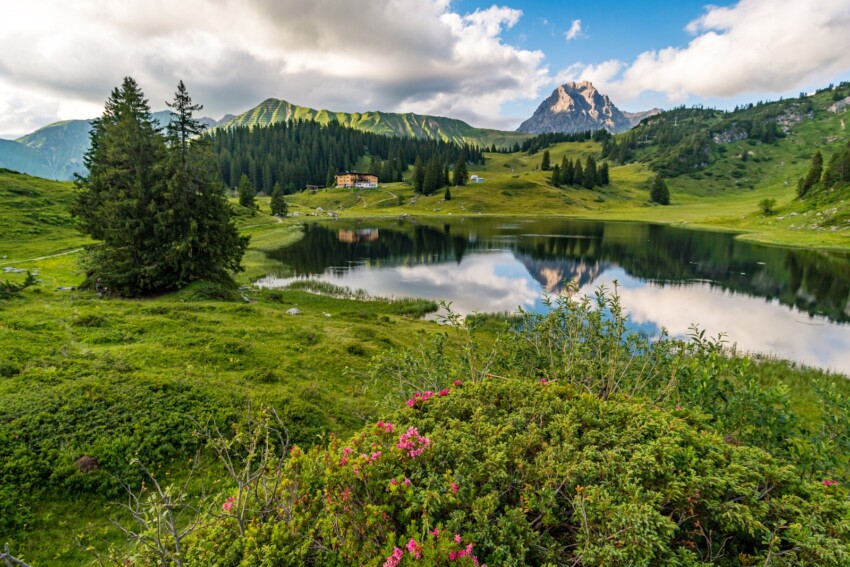
This scenic view captures the essence of alpine beauty found in several österreich bundesländer, like Vorarlberg, where lakes reflect towering peaks in a symphony of green and blue.
Burgenland: The Gateway to Eastern Delights
Turning our attention to individual states, Burgenland shines as österreich bundesländer’s sunny eastern jewel. With Eisenstadt as its capital, this state boasts a population of around 297,583 and an area of 3,965 km². Predominantly agricultural, it’s a place where fields stretch out like a welcoming carpet, producing fruits and wines that are the envy of Europe.
Historically, Burgenland’s formation post-World War I brought together communities eager for a new beginning, and boy, have they made the most of it. Today, under Governor Hans Peter Doskozil, the state thrives with a focus on renewable energy and cultural festivals. Imagine sipping a glass of Blaufränkisch wine at Lake Neusiedl – it’s the stuff of dreams.
Culturally, Burgenland blends Austrian, Hungarian, and Croatian influences, making it a melting pot that’s as enriching as it is fun. Notable attractions include the Esterházy Palace, a Baroque wonder that whispers tales of nobility. With its optimistic vibe, Burgenland exemplifies how österreich bundesländer turn heritage into hope.
- Fun Fact: Burgenland is home to Europe’s only steppe national park, Neusiedler See-Seewinkel, a birdwatcher’s paradise.
- Economic Boost: Agriculture and tourism drive growth, with organic farming leading the charge.
- Must-Visit: The Haydn Festival in Eisenstadt celebrates the composer’s legacy with joyful music.
In every way, Burgenland adds a warm glow to österreich bundesländer.
Kärnten: Where Lakes Meet Legends
Kärnten, or Carinthia, is another star in the österreich bundesländer constellation, with Klagenfurt as its bustling capital. Home to 564,513 residents across 9,537 km², it’s a land of contrasts – alpine remoteness paired with vibrant communities.
From its roots in the Duchy of Carinthia, this state has evolved into a haven for outdoor enthusiasts. Lakes like Wörthersee are perfect for summer escapades, while winter brings skiing that’s top-notch. Governor Peter Kaiser’s leadership emphasizes environmental protection, ensuring these natural treasures endure.
Culture here is alive with Slovenian influences, adding a bilingual flair that’s quite the treat. Festivals, folk music, and hearty cuisine like Kärntner Kasnudeln make it feel like home. Optimistically, Kärnten’s economy mixes tourism with tech, promising jobs and innovation.
- Interesting Tidbit: It has the warmest lakes in the Alps, reaching up to 28°C in summer.
- Attractions: Hochosterwitz Castle, perched dramatically on a hill, inspires awe.
- Outdoor Perks: Over 1,200 km of hiking trails invite exploration.
Kärnten truly embodies the adventurous spirit of österreich bundesländer.
Niederösterreich: The Expansive Heartland
As the largest by area in österreich bundesländer, Niederösterreich (Lower Austria) covers 19,180 km² with 1,698,796 people calling Sankt Pölten home as capital. It’s the agricultural powerhouse, with vineyards that produce exquisite Grüner Veltliner.
Historically tied to the Archduchy of Austria, it’s evolved into a blend of tradition and modernity. Governor Johanna Mikl-Leitner’s policies boost sustainable farming and tech hubs, creating a positive ripple effect.
The Danube weaves through, offering cruises and bike paths that are pure joy. Culturally, abbeys like Melk stun with Baroque splendor, while festivals keep spirits high.
- Fact: It surrounds Vienna, providing the capital’s green lungs.
- Economy: Wine production and manufacturing lead, with eco-friendly twists.
- Highlights: Wachau Valley, a UNESCO site, for scenic drives.
Niederösterreich pulses with the energy of österreich bundesländer.
This image highlights the lush landscapes typical of Niederösterreich’s valleys, a testament to the natural bounty in österreich bundesländer.
Oberösterreich: Innovation Amid Rivers
Oberösterreich, or Upper Austria, with Linz as capital, hosts 1,505,140 folks over 11,983 km². Known for its industrial might, it’s where tradition meets cutting-edge tech.
From the Archduchy days, it’s grown into an economic engine, thanks to companies like Voestalpine. Governor Thomas Stelzer champions green energy, making it a model for sustainable progress.
The Salzkammergut region dazzles with lakes and mountains, perfect for relaxation. Culture thrives in Linz’s museums and the Bruckner Festival.
- Quirk: Linz was European Capital of Culture in 2009, spotlighting its arts scene.
- Activities: Hallstatt, a fairy-tale village, draws photographers worldwide.
- Growth: Strong manufacturing sector promises steady jobs.
Oberösterreich drives the forward momentum of österreich bundesländer.
Salzburg: Symphony of Nature and Notes
Salzburg state, sharing its name with the capital, has 560,710 residents in 7,155 km². Famous for Mozart and The Sound of Music, it’s a cultural powerhouse.
Rooted in the Prince-Archbishopric, it’s blossomed under Governor Karoline Edtstadler into a tourism hotspot. The Alps provide skiing, while festivals fill the air with music.
The old town, a UNESCO site, charms with Baroque architecture. Optimistically, Salzburg’s blend of heritage and innovation ensures a harmonious future.
- Fun Note: The Salzburg Festival is one of the world’s premier music events.
- Nature: Grossglockner Road offers stunning drives.
- Cuisine: Try Salzburger Nockerl for a sweet treat.
Salzburg harmonizes beautifully within österreich bundesländer.
Steiermark: Austria’s Green Oasis
Steiermark, or Styria, with Graz as capital, spans 16,399 km² for 1,252,922 people. Called the “Green Heart” for its forests, it’s eco-friendly to the core.
From the Duchy of Styria, it’s advanced to a leader in renewable energy under Governor Mario Kunasek. Graz, a UNESCO City of Design, buzzes with creativity.
Attractions like the Dachstein Glacier offer year-round fun. Culture includes pumpkin seed oil, a local delicacy.
- Insight: Graz has a youthful vibe thanks to its universities.
- Adventures: Hiking in the Gesäuse National Park.
- Economy: Automotive and tech sectors thrive.
Steiermark nurtures the environmental soul of österreich bundesländer.
Tirol: Peaks of Possibility
Tirol, with Innsbruck as capital, covers 12,648 km² for 764,102 residents. Alpine through and through, it’s a winter sports mecca.
Descending from the County of Tyrol, it’s wealthy and proud, as Governor Anton Mattle promotes tourism and research. Residents often feel Tyrolean first, adding a unique identity.
Swarovski Crystal Worlds sparkle with innovation, while the Ötztal Valley beckons hikers.
- Trivia: Hosted the Winter Olympics twice.
- Views: Golden Roof in Innsbruck, a historical gem.
- Future: Sustainable tourism initiatives shine.
Tirol elevates the allure of österreich bundesländer.
Vorarlberg: The Innovative West
Vorarlberg, the smallest yet dense with 401,647 people in 2,602 km², has Bregenz as capital. Its Alemannic culture sets it apart, like a hidden treasure.
Acquired by Habsburgs centuries ago, it’s now a hub for architecture and textiles under Governor Markus Wallner. Lake Constance offers serene escapes.
The Bregenzer Festspiele on the lake stage is magical. Optimistically, its isolation fosters creativity.
- Fact: Known for modern wooden architecture.
- Explore: Pfänder Mountain for panoramic views.
- Strength: Strong economy in precision engineering.
Vorarlberg adds a fresh twist to österreich bundesländer.
Wien: The Pulsing Capital
Finally, Wien (Vienna), a state unto itself with 1,931,593 in 415 km². As Mayor Michael Ludwig leads, it’s the cultural epicenter.
Separated from Lower Austria in 1921, it’s grown into a UN city of diplomacy. The Ringstrasse encircles historic sites like the Hofburg.
Coffee houses and waltzes define its charm, with optimistic urban planning for green spaces.
- Highlight: Schönbrunn Palace, a Baroque masterpiece.
- Vibe: Multicultural, with over 200 nationalities.
- Innovation: Tech startups flourish.
Wien crowns the excellence of österreich bundesländer.
Economic Strengths in Österreich Bundesländer
Across österreich bundesländer, economies hum with potential. From Vienna’s GDP-leading services to Tyrol’s tourism, diversity is key. Austria ranks high in EU wealth, with a per capita of €45,700.
Agriculture in Burgenland, industry in Upper Austria – it’s a well-oiled machine. Optimistically, EU membership opens doors, fostering trade and jobs.
Renewables are booming, especially in Styria, promising a green future. In short, österreich bundesländer’s economies are built to last.
Cultural Mosaic of Österreich Bundesländer
Culture in österreich bundesländer is a joyful blend. Dialects vary wildly, from Viennese to Tyrolean, adding color.
Festivals like Salzburg’s celebrate music, while Burgenland’s Croatian roots enrich traditions. Food, from Wiener Schnitzel to Styrian oils, delights.
This mosaic builds trust and unity, making Austria a cultural powerhouse. Looking ahead, it’s set to inspire generations.
Fazit
In wrapping up, österreich bundesländer stand as a testament to Austria’s enduring appeal. Each state, with its unique blend of history, nature, and innovation, contributes to a nation that’s optimistic and forward-looking. From the alpine heights to urban sophistication, there’s a sense of harmony that makes exploring österreich bundesländer an uplifting experience. As Austria continues to evolve, these federal states promise even greater achievements, inviting all to share in their prosperity. Truly, österreich bundesländer are the heart and soul of a remarkable country.
FAQs
What are the nine österreich bundesländer? The nine federal states are Burgenland, Kärnten (Carinthia), Niederösterreich (Lower Austria), Oberösterreich (Upper Austria), Salzburg, Steiermark (Styria), Tirol (Tyrol), Vorarlberg, and Wien (Vienna).
Which is the largest österreich bundesländer by area? Niederösterreich is the largest, covering about 19,180 km², offering vast landscapes and agricultural riches.
What makes österreich bundesländer unique in Europe? Their federal structure allows for local autonomy while uniting under a strong national framework, blending diverse cultures and economies seamlessly.
How do österreich bundesländer contribute to Austria’s economy? They drive growth through tourism, agriculture, industry, and services, with a combined focus on sustainability and innovation.
Why visit österreich bundesländer? For the stunning scenery, rich history, and vibrant festivals – each state offers optimistic adventures that refresh the spirit.